
Switching 2nd: The Life Skill Nobody Talks

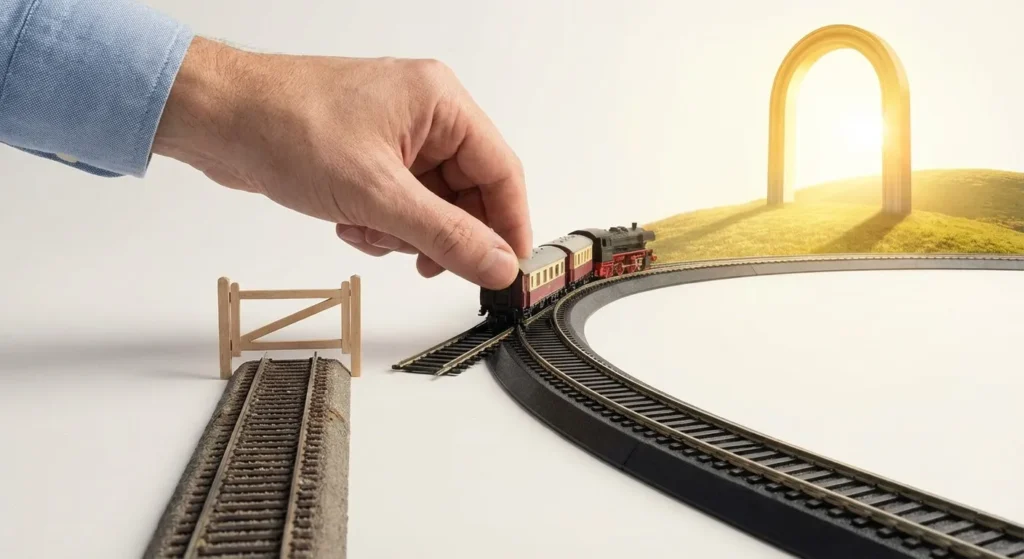
There’s a moment most people know but rarely name. You’ve been pushing hard in one direction — a career, a relationship, a habit, a plan — and somewhere along the way, something quietly tells you: this gear isn’t right anymore. You’re either grinding too slow or burning too hot. What you need isn’t to stop. What you need is to shift.
That’s switching 2nd. And once you understand it, you’ll start seeing it everywhere.
What Does “Switching 2nd” Actually Mean?
The phrase borrows from the physical act of changing into second gear while driving a manual car. It’s that deliberate, intentional movement between one state and the next — not slamming on the brakes, not flooring it recklessly, but making a smooth, controlled transition that lets you accelerate through the change rather than stall out because of it.
In a broader sense, switching 2nd refers to the act of moving from a primary choice or initial state to a second option, second strategy, or secondary mode of operating. It’s Plan B done right. It’s the backup plan that turns out to be better than the original. It’s the mindset shift that happens when you stop clinging to what you started with and open yourself up to what actually fits.
This isn’t about failure. It’s about adaptability. And in a world that moves fast and rarely asks your permission before changing the rules, adaptability might be the most underrated skill a person can develop.
Why Switching 2nd Is Harder Than It Sounds
Most people know, intellectually, that flexibility is important. Knowing it and practicing it are two completely different things.
When you’ve invested time, energy, and identity into a first choice — a career path you trained for, a relationship you fought for, a business plan you believed in — switching feels like losing. The sunk cost pulls at you. The fear of judgment creeps in. You start asking yourself whether abandoning your original course means you failed, gave up, or weren’t good enough to make it work.
None of that is true, but those feelings are real. Resistance to change is hardwired into us. Our brains are comfort-seeking machines, and unfamiliar territory triggers genuine stress responses. Understanding this isn’t just comforting — it’s practically useful. When you recognize that discomfort during a transition is biological and not a signal that you’re doing something wrong, you can make cleaner decisions.
The challenge also includes poor timing. Switching 2nd too early means abandoning something that could have worked with more patience. Switching too late means suffering unnecessarily while the writing was already on the wall. Learning to read the moment — developing that awareness — is what separates people who navigate transitions well from those who don’t.
Where Switching 2nd Shows Up in Real Life
One of the reasons this concept is so powerful is how universally it applies. It’s not just a metaphor. It shows up in concrete, everyday situations across almost every domain of life.
In Your Career
Career changes are one of the most emotionally loaded forms of switching 2nd. Whether you’re leaving a stable industry for something you’re passionate about, pivoting from employee to entrepreneur, or simply recognizing that the role you’ve been in no longer aligns with your goals, the transition demands both courage and strategy.
Self-discovery is a genuine side effect of these shifts. You find out what you’re made of when the professional identity you built no longer applies. You learn which of your skills actually transfer and which ones you’d been leaning on as a crutch. The self-reflection required isn’t comfortable, but it’s productive.
Career transitions also benefit enormously from support networks — mentors who’ve made similar moves, peers who understand the landscape, and honest friends who’ll give you the outside perspective you can’t get from inside your own head.
In Relationships
Personal relationships ask us to switch gears constantly. The dynamic that worked between two people in their twenties may not fit who those people become in their thirties. Friendships evolve. Partnerships require renegotiation. Family roles shift as circumstances change.
Switching 2nd in relationships isn’t about abandoning people. It’s about adapting how you show up. It’s about recognizing when an old pattern is creating distance instead of connection, and consciously choosing a different approach. That takes emotional intelligence — the ability to read your own emotional state and manage it well enough to respond thoughtfully rather than react.
In Technology and Systems
Outside of personal life, switching 2nd is a foundational design principle in the technical world. Failover systems, backup servers, dual SIM connectivity, secondary power sources — all of these exist because engineers understand that primary systems fail, and resilience means having a transition plan ready before you need it.
When your phone seamlessly switches from one network to another while you’re mid-call, that’s switching 2nd happening invisibly. When a hospital’s generators kick in during a power outage, that’s switching 2nd keeping people alive. The principle scales from the individual to the infrastructural.
In Sports and Performance
Athletes and coaches deal with switching 2nd in real time, under pressure, with the outcome on the line. A football team that can’t adapt its formation when the opponent adjusts will lose, even if it has superior talent. A relay runner who doesn’t shift smoothly through their speed phases will cost their team time. A substitute player brought off the bench sometimes becomes the game’s decisive force.
The best coaches don’t just plan for Plan A. They plan for the moment when Plan A stops working — and they train their players to make that mental and tactical shift without losing confidence or momentum.
How to Actually Do It: Practical Techniques for Smooth Transitions
Understanding what switching 2nd means is one thing. Doing it well is another. These techniques help make the shift cleaner, faster, and more sustainable.
Start With Honest Self-Reflection
Before you can switch gears effectively, you have to know where you actually are. Journaling is one of the most practical tools for this — not because writing in a notebook is magical, but because externalizing your thoughts forces you to slow down and look at them clearly.
Ask yourself which areas of your life feel like you’re grinding — where effort isn’t producing results, where energy is being drained rather than generated, where you keep hitting the same walls. These recurring friction points are almost always pointing at something that needs to change.
Set Clear Intentions Before You Move
Switching without direction isn’t a transition — it’s just chaos. Before you make any significant shift, define what you actually want on the other side of it. Write down your goals. Make them specific. Visualize what success looks like, not just vaguely, but in detail: what you’re doing, where you are, how you feel.
Visualization isn’t wishful thinking. It’s a mental rehearsal that builds the neural pathways associated with the outcome you’re working toward, which makes the actual transition feel more familiar when it comes.
Break It Down Into Manageable Steps
One of the most common mistakes people make when switching 2nd is trying to do it all at once. They want the full transformation immediately, and when it doesn’t arrive in one move, they conclude the shift isn’t working.
Sustainable transitions happen in small steps. Break your larger goal into the smallest possible actions. Focus on the next step, not the whole staircase. Each completed step builds momentum and reinforces your belief that forward progress is possible — which is exactly the fuel you need to keep going.
Build Routine Into the Uncertainty
Transitions are inherently destabilizing. When the external landscape is shifting, internal routine becomes an anchor. Establishing small daily habits — exercise, a consistent sleep schedule, structured work blocks — creates stability that counterbalances the uncertainty of the change itself.
This doesn’t mean clinging to old patterns that no longer serve you. It means consciously building new ones that support where you’re going, not where you’ve been.
Seek Outside Perspective
Blind spots are called that for a reason — you can’t see them yourself. Trusted friends, mentors, and colleagues can often identify patterns and opportunities that are invisible from inside your own experience. Seeking that feedback isn’t weakness; it’s strategic.
The key is choosing people who are honest rather than just supportive. You need someone who’ll tell you what you need to hear, not just what feels good. That distinction matters enormously when you’re trying to assess whether your current path still makes sense.
Embrace Flexibility and Accept Imperfection
No transition goes exactly as planned. Life doesn’t cooperate with clean timelines. The mindset that serves you best isn’t “this will go smoothly” but rather “I can adapt to whatever comes.”
Flexibility during a transition doesn’t mean you’re abandoning your direction. It means you’re staying responsive to new information, which is exactly what intelligent decision-making looks like in practice. Every unexpected obstacle is also a piece of data. Use it.
The Psychology Behind Switching 2nd
There’s a reason some people handle transitions fluidly while others get stuck. A significant part of it comes down to cognitive flexibility — the brain’s capacity to shift between different thoughts, strategies, or behaviors in response to changing conditions.
People with high cognitive flexibility tend to solve problems faster, recover more quickly from setbacks, and make better decisions under pressure. The good news is that cognitive flexibility isn’t fixed. It’s trainable. Deliberately exposing yourself to new situations, practicing perspective-taking, and making small voluntary changes to your routines are all ways to strengthen this mental capacity over time.
Emotional regulation plays a parallel role. Switching 2nd often triggers anxiety — the discomfort of not knowing how things will turn out, the grief of leaving something behind, the pressure of starting over. Learning to move through those emotional states rather than being controlled by them is what makes the transition manageable.
This isn’t about suppressing emotion. It’s about developing enough inner stability that difficult feelings don’t derail your decision-making. That kind of emotional intelligence is built through repeated practice — through taking small risks, experiencing the discomfort, surviving it, and learning that you can.
The Hidden Benefits of Switching 2nd
When people think about the benefits of change, they usually focus on the destination — the better job, the healthier habit, the improved relationship. Those outcomes are real. But the process of switching 2nd itself produces benefits that outlast any single transition.
Resilience is perhaps the most significant. Every time you navigate a meaningful change — even an imperfect one — you expand your evidence base for your own capability. You don’t just believe you can handle difficult transitions; you know it from experience.
Creativity gets a boost as well. When you shift gears mentally or emotionally, you disrupt habitual patterns of thinking. That disruption creates space for fresh perspectives and innovative thinking that wouldn’t have surfaced if you’d stayed in the same lane.
Confidence compounds over time. Each successful switch, no matter how small, builds a track record that your brain can reference the next time anxiety about change shows up. The forward progress you make is not just external — it’s internal.
And perhaps most importantly, switching 2nd teaches you that the second option isn’t the lesser option. Sometimes it’s the smarter one. Sometimes the backup plan outperforms the original. Sometimes the second choice is where you were always meant to end up.
Common Mistakes to Avoid
Even people who embrace change as a concept can stumble in its execution. A few patterns worth watching for:
Switching without clarity. Moving from one thing to another without knowing what you actually want from the change often results in ending up somewhere equally unsatisfying. Introspection before action matters.
Rushing the process. Transformation takes time. Trying to accelerate through discomfort rather than allowing yourself to actually experience and integrate it tends to produce surface-level change that doesn’t last.
Underestimating resistance. Both internal resistance — your own fear and doubt — and external resistance — the friction that comes from others who are comfortable with who you used to be — are real forces. Planning for them rather than being surprised by them makes you more effective.
Going it alone. Transitions are genuinely harder in isolation. The people who navigate change most effectively almost universally cite their support networks as a critical factor. You don’t have to do this alone, and you probably shouldn’t try.
Mastering the Art of the Shift
Mastering switching 2nd isn’t about becoming fearless. Fear of change is normal, and the people who navigate transitions most successfully aren’t the ones who never feel it — they’re the ones who’ve learned to move forward anyway.
It’s about developing awareness: knowing when you’re in the wrong gear, understanding why the shift feels hard, and having enough skill and self-trust to make the move cleanly.
It’s about being proactive rather than reactive — reading the signals early enough that you’re making a deliberate, empowered choice rather than scrambling in response to a crisis.
It’s about long-term thinking. Staying stuck in a gear that doesn’t fit may feel safer in the short term, but it costs you momentum, energy, and the experiences that come from living more fully in alignment with where you’re actually trying to go.
Final Thoughts
Switching 2nd is one of those concepts that seems simple on the surface and reveals its depth the longer you sit with it. It’s a driving metaphor, yes. But it’s also a framework for how to approach change in a way that’s intentional, strategic, and grounded in genuine self-awareness.
Life rarely goes according to the original plan. The paths that lead to the most growth, the most fulfillment, and the most meaningful outcomes are often the ones that required a shift somewhere along the way — a moment where someone recognized that the gear they were in wasn’t the one they needed, and had the courage to change it.
